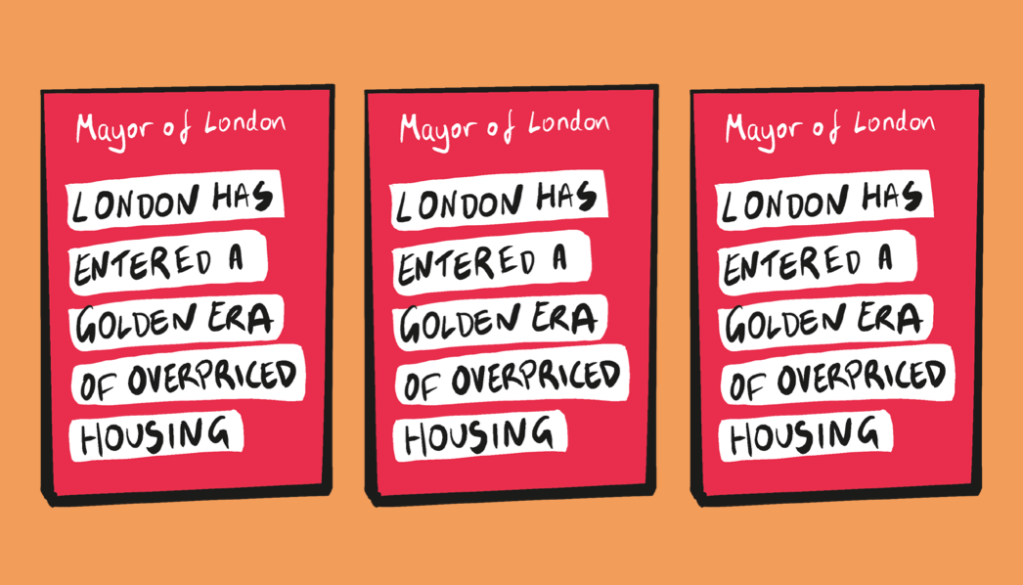
Our friends at the Public Interest Law Centre (PILC) have produced a report that takes a critical look at what politicians like to frame as the ‘golden era’ of council housebuilding in London.
It backs up many of the arguments we have been making in our opposition to the Bacton development.
The report found that overall, private redevelopment does not address the housing crisis – in fact, it makes it worse.
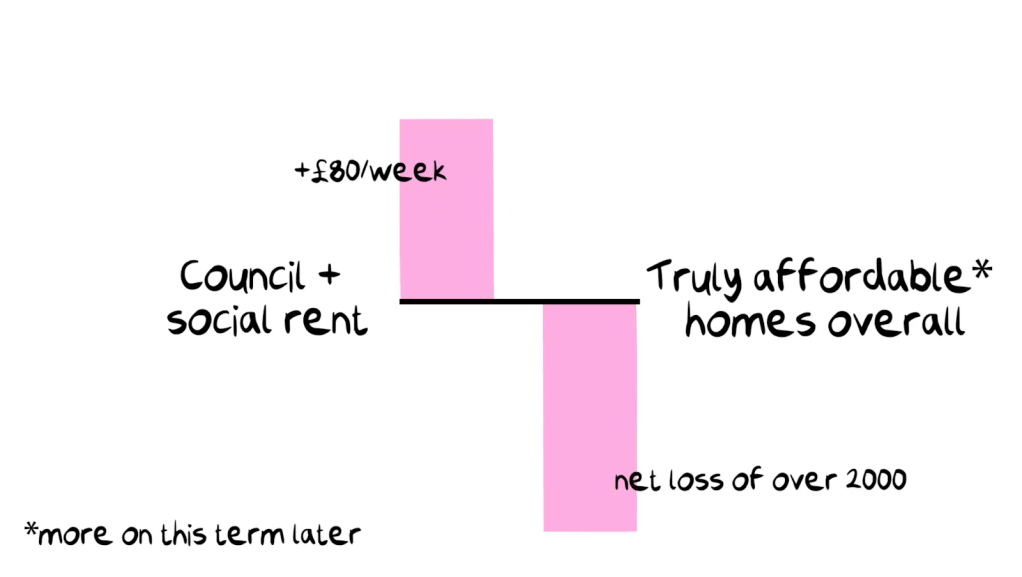
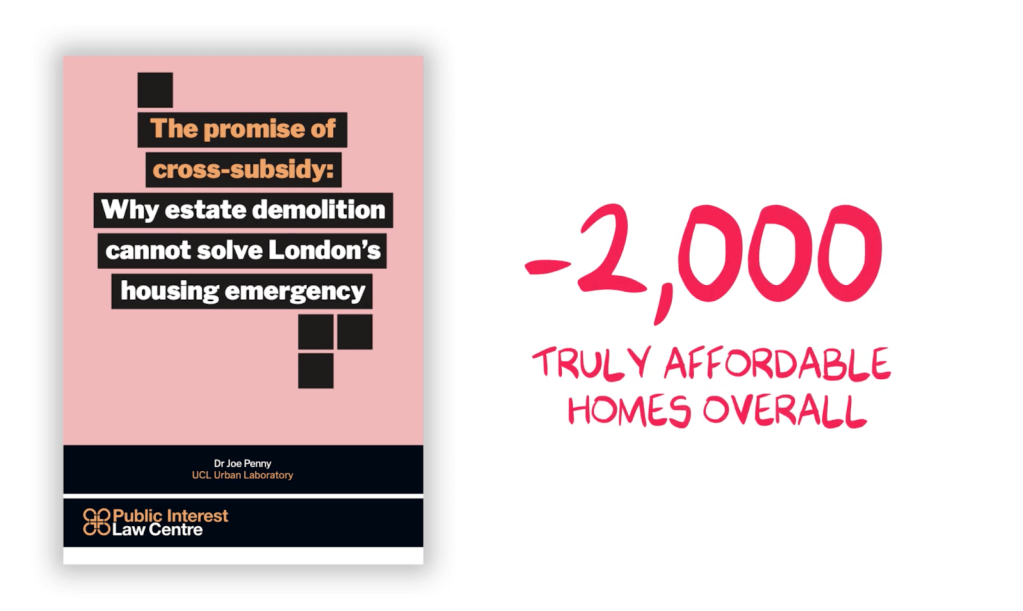
Their research across six London estates found that on average, council and social rent increased by over £80 per week following redevelopment, while over 2,000 affordable homes were lost in the process.
Here are 4 key takeaways that stood out to us from the report:
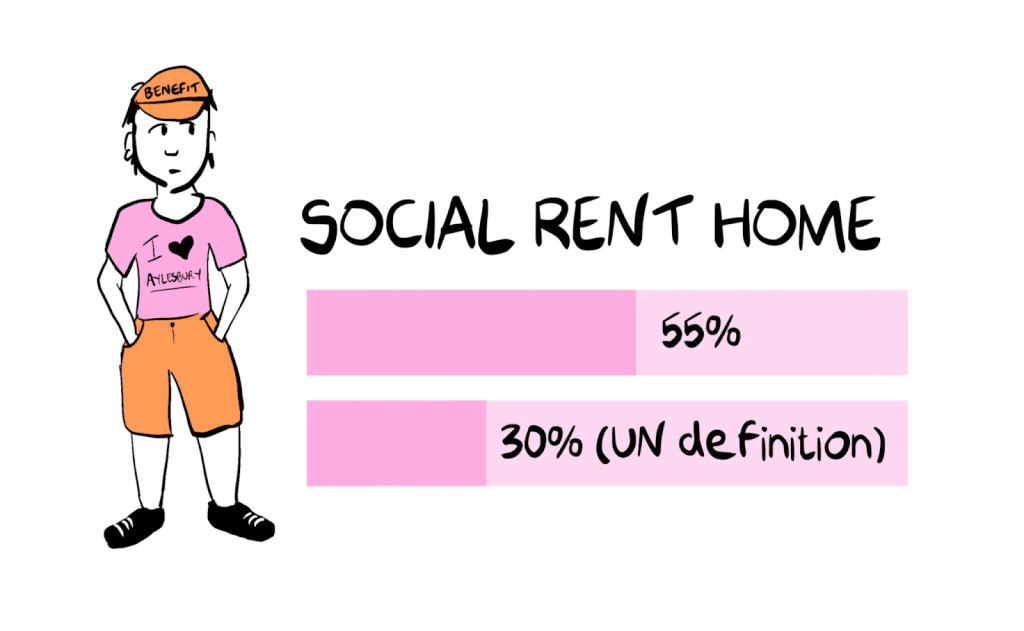
1. ‘Affordable’ does not mean genuinely affordable: The UN definition of ‘affordable’ rent must not exceed 30% of a household’s monthly income. In London, the average single working age person would pay over 55% of their monthly income on a social rent home. That’s almost double the UN standard.
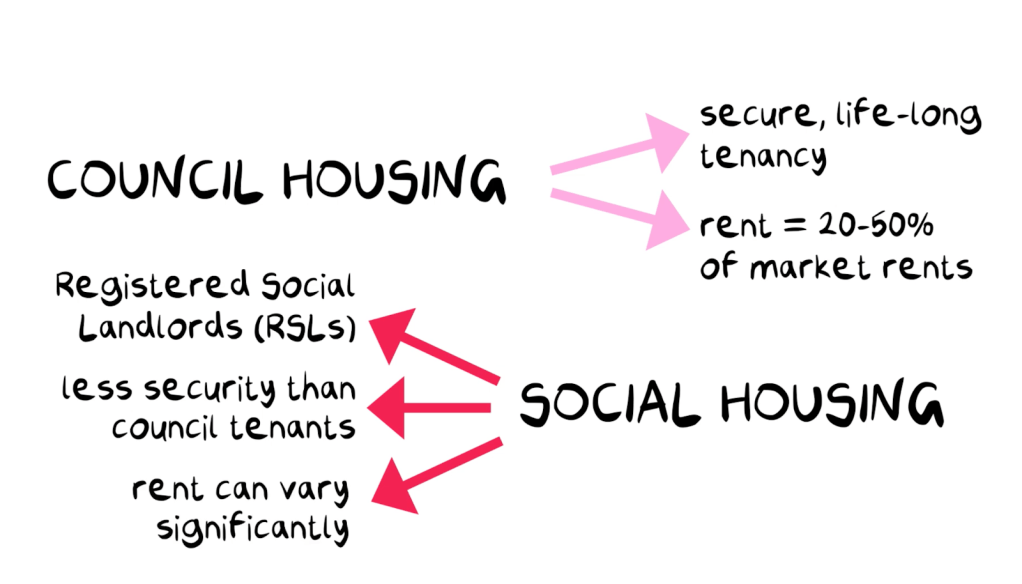
2. Council housing is not the same as social housing: Council housing offers secure, life-long tenancy at about 20-50% of market rates. By contrast, social housing is provided by housing associations or council-owned housing companies, tends to be less secure and more expensive.
3. Cross-subsidy estate regeneration leads to less affordable housing: ‘Cross-subsidy’ means developments led by private companies that are in part funded by local councils. Across the redevelopment of the six estates PILC looked at, 2,000 affordable homes were lost in the process.
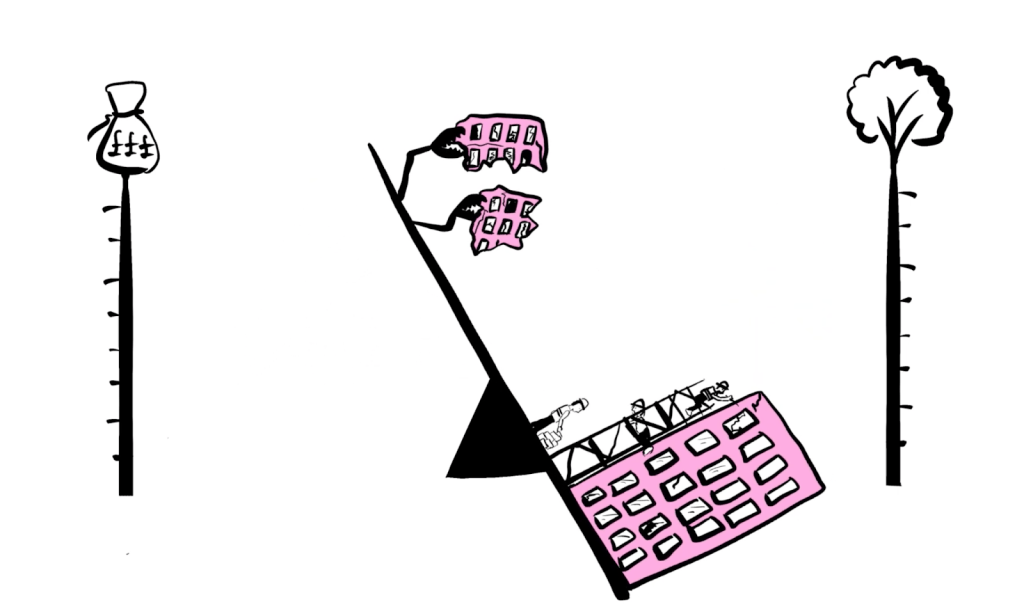
4. Councils have financial incentives to demolish: There are VAT exemptions for when you demolish and rebuild homes rather than refurbish and retrofit them. Which seems perverse given the loss of affordable homes and the environmental impact of wholescale redevelopment.
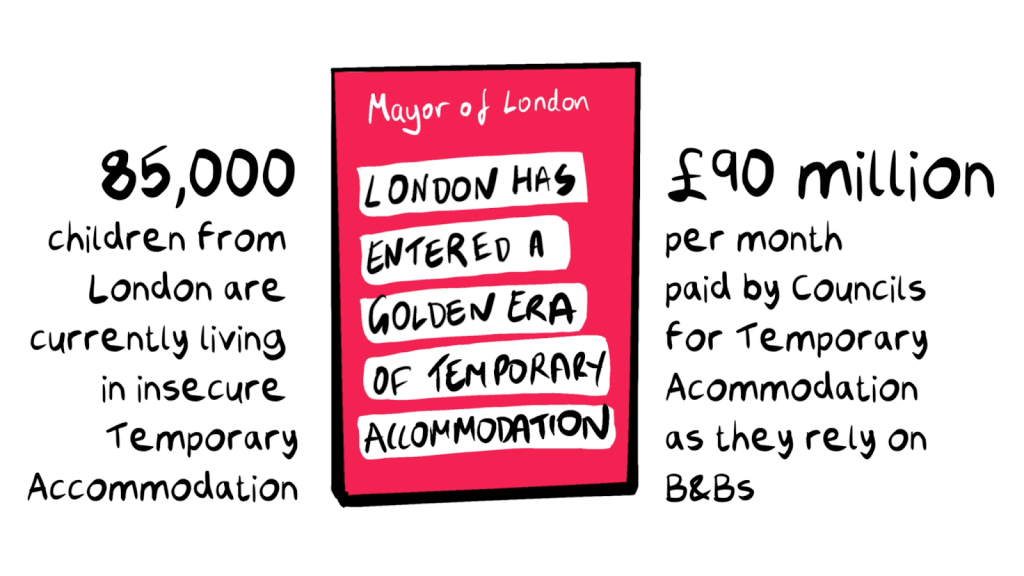
PILC argues that London has entered the golden era of temporary accommodation, not house building, with London councils spending £90m per month on temporary accommodation. That’s about £3m per day.
The report concludes plainly that estate regeneration is gentrification under a different name. Low-income communities are being priced out to make way for private investment.
Bacton is just one site of many across the city where this is happening. Our campaign is part of a huge and growing network of community groups resisting our public land being sold to private developers for profit.
Campaigning matters hugely and is the only way we can stop this from changing our city in profound ways for generations to come.
You can read PILC’s full report here and a summary video here.
 Bacton Towers Action